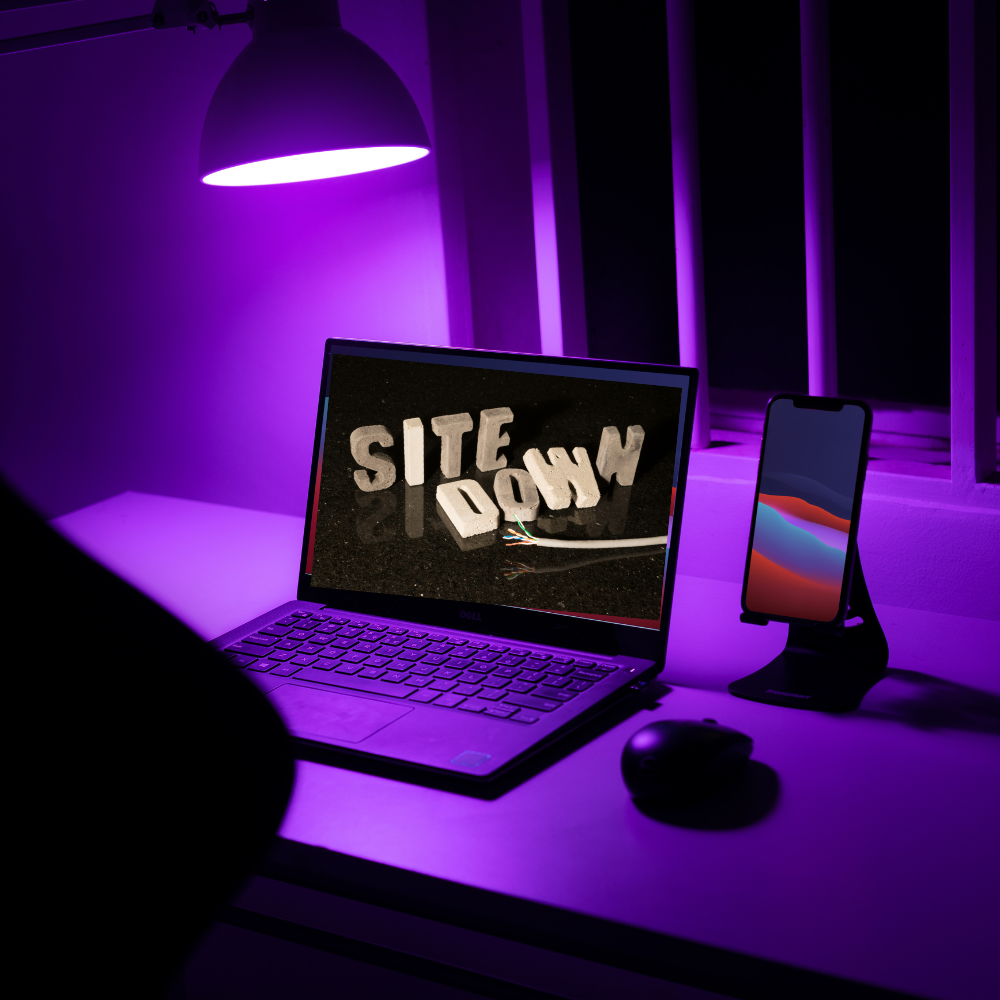

Most people answer this question quickly at first. Yes. I think so. It’s fine.
Then the pause.
I haven’t looked at it in a while. I avoid touching it. It works as long as I don’t mess with anything.
That hesitation is common, and it’s worth paying attention to.
A Simple Question With a Complicated Answer
A website can exist for years without truly working. It can load, display information, and avoid obvious disasters while quietly drifting out of alignment with the business behind it. Existing online and working well are not the same thing, and the gap between them often goes unnoticed until something finally forces attention.
This realization often starts with a small request. A simple update. A new page. A form adjustment. On the surface, it sounds easy. Behind the scenes, the story can be very different. No one is quite sure what connects to what anymore, or how one small change might affect the rest of the site.
That is usually when the question becomes unavoidable.
What “Working” Actually Looks Like
A working website supports the business without demanding constant attention. It loads reliably, behaves predictably, and doesn’t create stress when you log in. You don’t have to think about it often, and when you do, it cooperates.
That steadiness doesn’t happen by accident. It comes from structure, from clear responsibility, and from decisions made with the long term in mind. When those pieces are in place, the website feels stable instead of fragile. It becomes something you trust rather than something you tiptoe around.
Websites rarely fail loudly. More often, they send quiet signals that are easy to ignore. You may find yourself hesitating to run updates because something might break. You may not be entirely sure whether contact forms are still delivering messages. Page load times may have slowed gradually enough that they now feel “normal.” There may be uncertainty about who handles issues if they arise, along with a general sense of hoping nothing goes wrong.
None of these signals mean the website is beyond repair. They usually indicate that the site no longer fits how the business operates today.
Why Oversight Makes the Difference

What Visitors Experience First
Visitors know whether a website is working almost immediately. They do not analyze it the way owners do. They respond to ease.
When visitors can move through a site without thinking about it, the website is doing its job. When they hesitate, click around in confusion, or abandon the page entirely, the site may technically be online, but it is not fully working.
The Maintenance Reality
Every website relies on systems that require attention over time. Software updates, security patches, performance checks, and compatibility adjustments are part of owning a website, whether anyone mentions them upfront or not.
That stress does not always look dramatic. It often looks like avoidance.
Your Reaction Is Information
Pay attention to how you feel about your website. Do you trust it? Do you log in without hesitation? Or do you avoid touching it unless absolutely necessary? Do you assume it is fine as long as no one complains?
Those reactions are information.
A working website creates calm. One that is not working often creates low-level tension, even if nothing is actively broken. That tension is usually a sign that the structure, oversight, or alignment needs attention.
So, Is It Working?
This question is not a judgment. It is a starting point. The answer might be yes. It might be mostly. It might not be anymore. All of those are workable.
Conversations about website performance rarely begin with dramatic failures. They begin with this simple check-in. How is the site actually being used? How is it supported? Where does friction quietly live?
A website that works does not demand attention. It supports the business without becoming part of the workload. It handles inquiries reliably. It guides visitors clearly. It remains stable through updates and growth.
It just does its job. Quietly. Reliably. The way it should.